Showing posts with label Exercise Myths. Show all posts

Tuesday, 27 January 2015

Five fitness myths and where they come from!

Continuing with the theme of myth busting the untruths and the mis-information out there about fitness training and exercise, here is a further article along the same vein that will help guide you in the right direction and answer some of the queries perhaps that you may have. Again, ask an expert at your gym, or your own PT if you remain unsure, but do your research and be safe in the gym, exercise correctly and don't be afraid to ask. This also came from 'ezinearticles' at http://EzineArticles.com/7674701 and is written by Frederik Bakke (http://EzineArticles.com/?expert=Fredrik_Bakke) - a health, fitness and exercise author.


In the fitness and health world, there are hundreds of misconceptions, wrongful facts and myths. In this article you will discover the truth about five fitness myths and their origin.

Myth #1 : when women lift weights they become bulky.
This myth is entirely false. Relax girls, lifting weights won't turn you into a giant muscular monster, no one will become huge only from lifting weights. The reason women will not gain as much muscle as men is because of their genetics. Women have a lot less testosterone in their bodies and therefore won't be able to grow muscles as men do. Testosterone is the muscle-building hormone and men are filled with it. When women lift weights they will become tighter, stronger and look more fit, but only if they don't believe in the next myth...

Myth #2 : hard workouts make up for a poor diet.
Here is why this myth is false: when men and women work out, they train their muscles, tone their bodies and increase endurance and strength. But if you work out 3 times a week for approximately 1 hour, you spend 3 hours a week exercising. The rest of that week you should focus on your diet and what you put in your body. One week has 168 hours, you work out 3 of those hours, then you have to eat healthy and get enough rest between your workouts to get the best results.

Myth #3 : quitting exercise will make your muscles turn into fat.
This myth is an old one; I have no idea where it comes from or how it was ever thought of. But the real reason muscular men gain a lot of fat after they stop working out is because they often do not change their calorie intake. They keep eating the same amount of food, stops working out and then they gain a ton of fat, because they don't adjust their diet to their lifestyle.

Myth #4 : spot fat reduction
Ahh... they queen of all fitness myths. "I just want some fat off my midsection, thighs, hips, butt, etc." This is the worst myth of them all, and probably one of the most common too! The fact is that it is physically impossible to lose fat in one particular area by training it. You will get a more toned muscle, but it will not help you remove fat from the selected area only by applying an exercise. When you lose weight you lose it all over your body, from your toes to your face. You need a full body workout or a two-day split to get a nicer butt or more noticeable biceps.

Myth #5 : as you age you gain fat
This myth is also not true, the reason many older people get a belly or gains weight is from lack of exercise and poor diet choices. As you age your body will take longer to recover from working out, but this is not unnatural. Anyone who wants to become more athletic, healthy and fit can so, regardless of age and gender.

Where does these myths come from?
Workout myths comes from a variety of places, they come from supplement companies, bodybuilding magazines and podcasts. But why is there such a big difference in what all the so-called "reliable" sources tell you?

The supplement companies will dump you with untrue information and poor workouts, promising it will work as long as you consume their supplement. They do not care about your health or your results. They want you to buy into their supplements, having you believe their brand is the magic pill to get ripped.

The bodybuilding magazines loves spreading the new "routine", this is usually a 3-4 day split program. The only way a program like that will work is if you are on heavy steroids. When you use the programs it will give you the illusion of results. You might have some initial results after the first two weeks, but after that they just don't work anymore. Many people are hooked on this kind of information. That is why they sell so many magazines! People love to try the new super routine to whip them into shape in an instant.

In this day and age most people own a computer and many have microphones, so it is not hard to start a podcast about fitness, or any other topic for that matter. But not everyone is really qualified to give out advice, and even if they are they might accidentally spread wrongful information and it will be carried on for god knows how long. I am not meaning to bash podcasts, but you should double-check your facts before you cite them as facts.

WhyWeight - don't hesitate, participate, before it's too late!

-Steve, at WhyWeight-

Work out smarter - four training myths debunked!

There are lots of views and opinions out there about working out; what is right, what is wrong; and plenty of mis-information to scare anyone away from training, keeping fit, exercising and getting on the road to getting back in shape. Recognising this I went back to my trusted source and found several articles which I'll happily share with you - there may be some repetition in these, but no matter as long as you can be best informed and it helps you in some small way then the advice and guidance will have been worth it. From 'ezine articles' (http://EzineArticles.com/3000557) and written by Sophie Armstrong (http://EzineArticles.com/?expert=Sophie_Armstrong) - a writer for 'Working Out Smarter' and therefore worthy of note. Always remember too that there are plenty of personal trainers, fitness instructors and exercise coaches out there who will gladly give you some free advice and show you where you are going wrong, so there should be no excuse for not doing the right thing and gaining the maximum benefit from it.


If you spend any amount of time working out in a gym, you've probably heard one or more of the following fitness myths. To make sure your workouts haven't been affected by misinformation, read on for corrections of these four common misconceptions.

Myth #1: You shouldn't work out with weights if you're trying to lose weight, because lifting weights will just cause you to bulk up.
This is unfortunately a very widespread misconception. In reality, working out with weights is one of the best things you can do if your goal is to lose fat. This is because only by building lean muscle mass by weight lifting can you raise your baseline metabolic rate (the amount of calories you're burning while you're at rest). It's far easier to lose weight if you incorporate both strength and aerobic exercise into your fitness regimen, because the aerobic exercise will cause your body to burn extra calories during the period of time your heart rate is elevated, and the strength exercises will cause your body to burn extra calories for the whole 36 hours after you've lifted weights.

Myth #2: If you're not sore afterwards, you didn't have a good workout.
While it's true that muscle soreness after a workout indicates that you had a challenging workout (which is good), it's untrue that the absence of muscle soreness indicates you had a bad workout. What's important is whether you worked out with high intensity and productivity, and how you feel during the workout. If you felt challenged during the workout and energised afterwards, it was a good workout!

Myth #3: If you're an athlete, you shouldn't lift weights because that will make you slow and tight.
A well-designed, progressive strength training program that uses functional free weights exercises (i.e. exercises that mimic the motions an athlete performs on the field, track, or court) is actually one of the best things an athlete can do to improve performance. This myth comes from the fact that weight training using non-functional exercises (like resistance machines that limit the exercise to a single plane of motion) can build muscle mass without producing any strength gain that translates to real-life athletic performance.

Myth #4: You need a fancy machine to get well-defined abs.
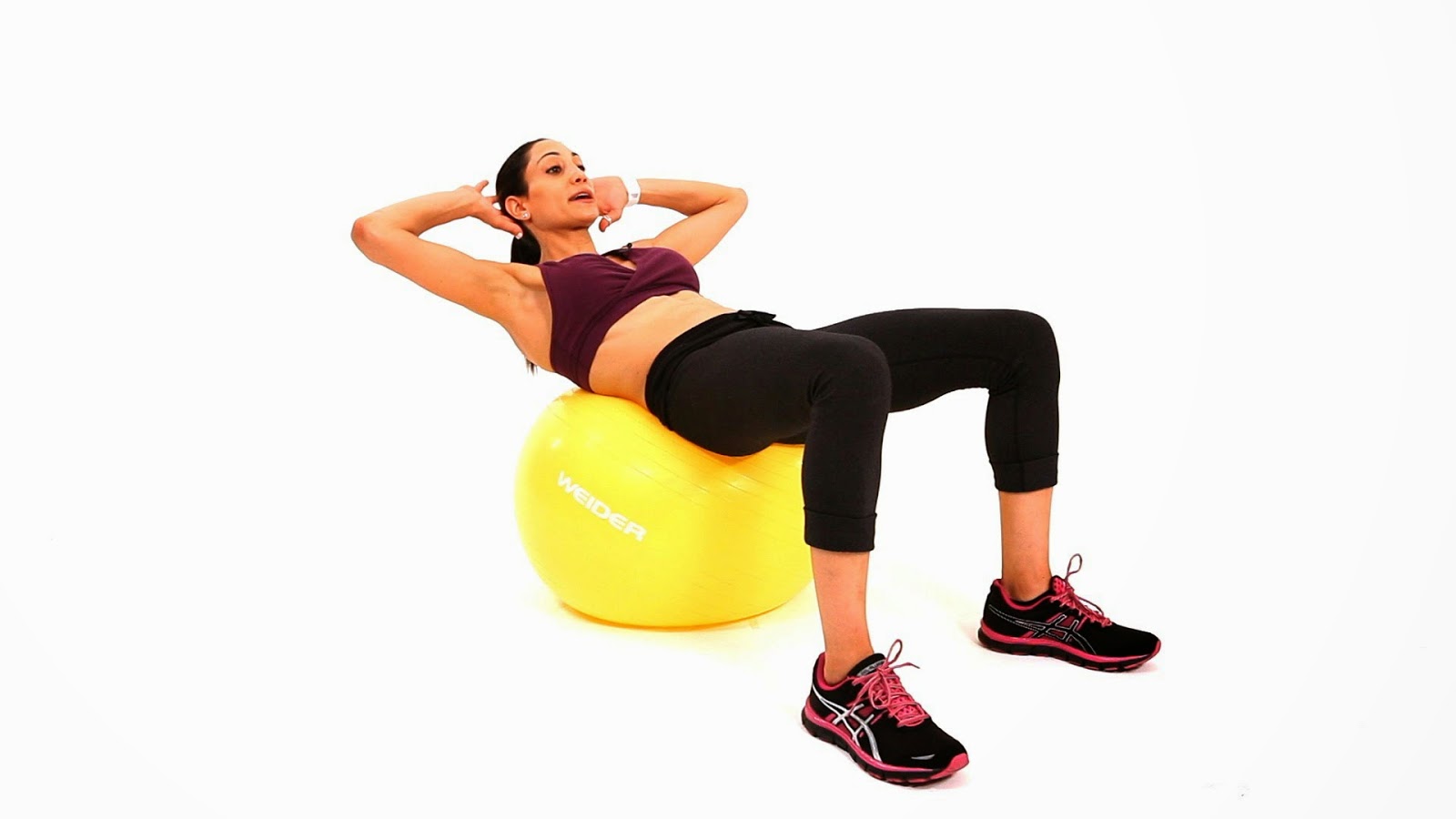
Many basic floor and standing exercises can be used to strengthen the abdominal muscles, and one of the most effective pieces of fitness equipment for targeting the abs is a basic exercise ball, which you can use to provide back support while you perform crunches and other reclining abdominal exercises. You don't need any fancy machines to target the abs. Indeed, the biggest factor affecting the appearance of your abdominal muscles is how thick the layer of fat is covering those muscles. No matter how many crunches you do, if you don't lose belly fat by doing the hard work of losing weight, you'll never have well-defined abs.

WhyWeight - don't hesitate, participate, before it's too late!

-Steve, at WhyWeight-